A small leak. A loose handrail. A cracked walkway. What seems like a minor maintenance issue can become a bigger problem when it’s overlooked or left unresolved.
According to an article published by OSHA Workplace Safety, unplanned reactive repairs can cost 3 to 5 times more than preventive maintenance.
The good news? A little planning and regular upkeep can go a long way toward reducing these risks. By inspecting your facilities and grounds regularly, addressing issues promptly, and documenting repairs, you can take steps to protect your property and the people who use it.
Here are four practical ways to make preventive maintenance part of your organization’s risk management practices.
1. Establish a Routine Inspection Schedule
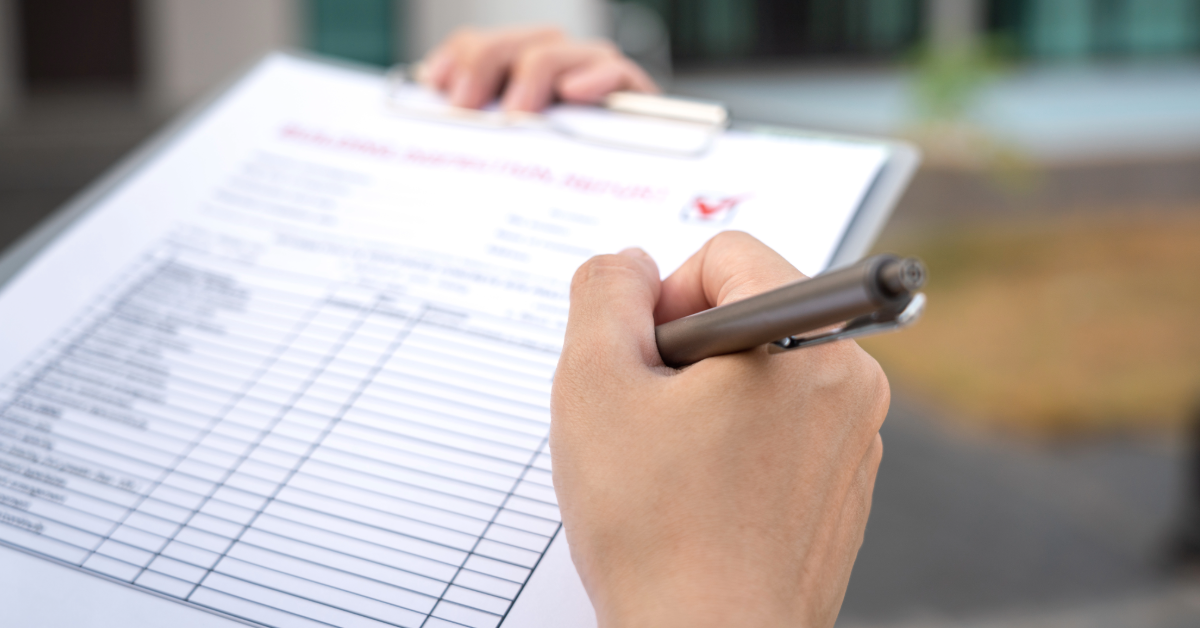
Regular inspections can help you spot potential hazards before they lead to property damage or injuries. Start by identifying the areas that need attention based on your facilities, equipment, and daily activities.
Depending on your organization, this may include:
- Walkways, parking areas, and grounds: Look for cracks, uneven surfaces, damaged steps, loose handrails, potholes, overgrown vegetation, inadequate lighting, and other potential trip-and-fall hazards.
- Building exteriors: Check roofs, gutters, windows, doors, and exterior walls for visible damage or signs of water intrusion.
- Interior spaces: Look for damaged flooring, leaks, inadequate lighting, and other conditions that could affect the safety of employees, volunteers, residents, visitors, or other building occupants.
- Equipment and building systems: Follow appropriate inspection and servicing schedules for heating, cooling, plumbing, electrical systems, fire protection systems, generators, and other critical equipment.
Consistency is key. Establish a schedule that works for your organization, assign responsibility for inspections, and make sure any concerns are documented and followed up on.
2. Prepare Buildings and Grounds for Seasonal Changes
As colder weather approaches, your facilities may need a little extra attention. Taking time to prepare before colder temperatures arrive can help you identify vulnerabilities, reduce the potential for property damage, and avoid unnecessary disruptions.
Consider taking steps to protect key building systems and property features. This may include:
- Protecting vulnerable plumbing and sprinkler systems from freezing temperatures.
- Testing backup power sources, such as generators, to help maintain critical operations during outages.
- Keeping sidewalks, parking lots, and entrances clear of snow and ice to help reduce slip, trip, and fall hazards.
- Reviewing emergency response procedures for winter storms, power outages, and other severe weather events.
Winter weather can bring many challenges. Addressing potential problems ahead of time can help your organization avoid preventable repairs and keep daily operations running more smoothly.
3. Address Hazards and Repairs Promptly
Once you identify a maintenance issue, it’s important to address it before it becomes a bigger problem. Small issues may not seem like a big deal. But leaving them unresolved can create additional risks for your property and the people who use it.
Encourage your employees and volunteers to report concerns as soon as they notice them, even if the issue seems minor. Make sure they know who to contact and how to report the location and nature of the problem. A clear reporting process can help your team bring concerns to the right person.
Not every issue will require the same response. When deciding what to address first, consider:
- The potential for injury: Could the condition cause someone to slip, trip, fall, or otherwise be harmed?
- The potential for further damage: Could delaying a repair allow a problem to spread?
- The impact on daily activities: Could the issue affect access to your building, equipment, or your ability to serve others?
Not every repair can be completed immediately. If there’s a delay, take appropriate steps to limit exposure to the hazard. Depending on the situation, this may mean restricting access to an affected area or removing damaged equipment from service. Temporary precautions should not replace a permanent repair.
4. Document Inspections, Repairs, and Follow-Up
Keeping maintenance records helps your organization track what has been inspected, what needs attention, and which repairs have been completed. It also makes it easier to identify recurring issues and plan for future maintenance.
Your records don’t need to be complicated. A shared checklist or tracking document may be enough to get started. Consider documenting:
- Inspection dates and findings
- Reported maintenance concerns
- Repairs completed and any follow-up needed
- Routine equipment servicing
- The person responsible for addressing each outstanding issue
Review these records periodically to look for patterns or maintenance tasks that may have been missed. If the same issue keeps appearing, your organization may need to consider a more lasting repair or a closer evaluation.
A consistent recordkeeping process also helps your team stay on the same page, especially when multiple people are responsible for maintaining a building or managing repairs.
Resources for Community-Focused Organizations
Community-focused organizations like municipalities, emergency services, water entities, schools, houses of worship, and healthcare organizations face unique risks, especially when it comes to building maintenance. Explore the resources below for guidance on identifying potential hazards, addressing maintenance concerns, and helping protect your property.
Healthcare:
Public Entities:
Ministry Care:
Emergency Services:
Creating a Safer Organization
Preventive maintenance doesn’t have to be complex. Starting with regular inspections, preparing for seasonal changes, addressing hazards promptly, and keeping clear records can help your organization identify concerns before they become bigger problems.
These manageable steps can help your team address concerns early and keep your facilities ready for the people who rely on them.
Thank you for all you do to serve your community. For additional guidance, explore the risk resource libraries on Glatfelter Insurance Group.


Olivia Stein, Integrated Marketing Coordinator
Related posts

Learn how to shift from a reactive to a proactive approach and foster a preparedness mindset across your organization.

The healthcare industry is facing a huge challenge: retention. Learn how you can create an environment that encourages your staff to stay on board.